Discover Cinchin: A Charming Handwritten Font for Web Design
As a web designer, I recently embarked on a project to revamp the online presence of a boutique store. The goal was to create a visually appealing and engaging website that would not only attract visitors but also convert them into loyal customers. One of the key elements in achieving this was selecting the right font. After some exploration, I stumbled upon Cinchin, a charming and inspiring handwritten font that perfectly captured the romantic and personal touch we were aiming for.
The Visual Appeal of Cinchin
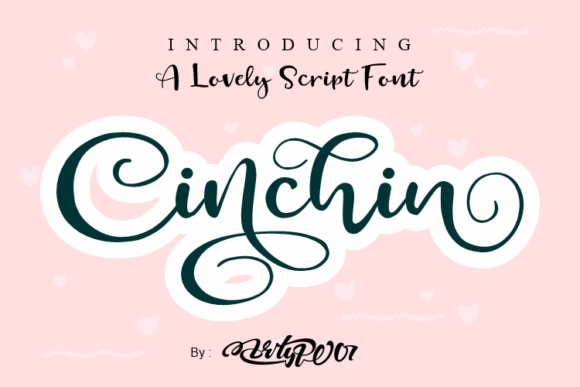
Cinchin stands out with its elegant and flowing style, reminiscent of a carefully crafted handwritten note. Its PUA encoding means all glyphs and swashes are easily accessible, adding a unique and artistic flair to any design. The font's romantic personality and modern appeal make it an excellent choice for creating a memorable and polished brand experience.
Incorporating Cinchin into Web Design
One of the first places I used Cinchin was in the hero section of the homepage. The font's graceful curves and natural flow made it perfect for a welcoming and inviting headline. I also experimented with using Cinchin for section headings and call-to-action areas, where its distinctive style helped draw attention and guide users through the content.
- Hero Titles: Cinchin's large, expressive letters work beautifully for impactful headlines, setting the tone for the entire site.
- Section Headings: The font's elegance can be used to break up content and create a clear visual hierarchy, making the page more readable and engaging.
- Call-to-Action Areas: Short, punchy phrases in Cinchin can add a touch of personality and urgency, encouraging users to take action.
Readability and User Experience
While Cinchin is visually stunning, it's important to consider readability, especially on smaller screens and in longer text blocks. For mobile layouts, I recommend using Cinchin sparingly, such as for short, impactful statements or decorative accents. For body text, a clean, simple sans serif font like Lato or Roboto can complement Cinchin and ensure that the content remains easy to read.
Font Pairing and Consistency
To maintain a balanced and professional look, I paired Cinchin with a classic sans serif font. This combination allowed the handwritten style to stand out in key areas while keeping the overall design clean and functional. For example, in the product descriptions of the online store, the sans serif font provided clarity and legibility, while Cinchin added a touch of elegance to the product names and category titles.
Practical Tips for Using Cinchin
- Check Included Styles: Make sure to explore all the available styles and weights to find the best fit for your design.
- Webfont Availability: Ensure that the font is available in webfont formats (WOFF, WOFF2) for seamless integration into your website.
- Multilingual Support: If your project requires support for multiple languages, verify that Cinchin includes the necessary characters and glyphs.
- Commercial Licensing: Always check the licensing terms, especially if you plan to use the font for client projects or commercial purposes.
Conclusion
Cinchin has become a go-to font for adding a personal and romantic touch to my web design projects. Its handwritten style and accessibility through PUA encoding make it a versatile and creative asset. Whether you're designing a boutique online store, a coaching website, or a portfolio, Cinchin can help you create a more engaging and memorable user experience. Just remember to balance its use with more legible fonts for optimal readability and a cohesive design.